Chia Seeds: Health Benefits, Nutrition, and How to Use Them Daily
Chia seeds have made a huge impact in kitchens and wellness circles around the world for such a tiny seed. What was once a staple in ancient civilizations has now become one of the most versatile and nutrient-dense foods available today.
The nutritional profile of almost any meal can be enhanced by adding chia seeds, whether they are sprinkled on yogurt, blended into smoothies, soaked in pudding, or added to savory dishes.Their mild flavor, impressive nutrient density, and convenient usage make them a favorite for both busy home cooks and health-conscious individuals.
This article explores the health benefits, nutritional value, and everyday uses of chia seeds, giving you a full understanding of why these tiny seeds deserve a permanent spot in your pantry.
What Are Chia Seeds?
Chia seeds come from Salvia hispanica, a flowering plant native to Mexico and Guatemala. They were widely consumed by the Aztecs and Mayans who recognized the seeds’ ability to provide sustainable energy. In fact, “chia” is said to mean “strength” in the Mayan language—an appropriate name since these seeds pack an impressive nutritional punch.
Today, chia seeds are grown around the world and have earned a reputation as one of the most accessible “superfoods.” They require no cooking, last for years when stored properly, and can be incorporated into meals with almost no effort.
Nutritional Profile of Chia Seeds
One of the main reasons chia seeds are so widely praised is their exceptional nutrient density. Despite their small size, they contain a powerful combination of fiber, protein, omega-3 fatty acids, antioxidants, vitamins, and minerals.
Below is a breakdown of what you get in just one ounce (about 28 grams or 2 tablespoons) of chia seeds:
- Fiber: ~10–11 grams
- Protein: ~4 grams
- Fat: ~9 grams (mostly omega-3 alpha-linolenic acid)
- Calories: ~138
- Carbohydrates: ~12 grams (majority from fiber)
- Calcium: 18% of the daily recommended value
- Magnesium: 30% of the daily value
- Phosphorus: 27% of the daily value
- Manganese: 30% of the daily value
- Small amounts of zinc, potassium, and B vitamins
The nutritional profile shows why chia seeds are often called “tiny nutrition bombs.” They are one of the richest plant-based sources of omega-3 fats, are loaded with gut-friendly fiber, and supply valuable minerals that support bone health, energy production, and cellular function.
Health Benefits of Chia Seeds
Excellent Source of Dietary Fiber
One of the standout qualities of chia seeds is their extremely high fiber content. Most people struggle to meet the recommended daily amount of fiber, yet just two tablespoons of chia seeds provide nearly one-third of the daily requirement.
How Fiber Supports Health
- Improves digestion and regularity
- Helps prevent constipation
- Supports a healthy gut microbiome
- Stabilizes blood sugar levels
- Helps manage appetite by promoting fullness
When chia seeds absorb liquid, they form a gel-like coating. This gel slows the digestive process, helping keep you full longer and preventing sharp spikes in blood sugar levels after meals.
Rich in Omega-3 Fatty Acids
Chia seeds are one of the most concentrated plant-based sources of omega-3 fatty acids, specifically ALA (alpha-linolenic acid). While ALA must be converted to EPA and DHA—the forms found in fish oil—chia seeds still offer notable anti-inflammatory and cardiovascular benefits.
Omega-3 Benefits
- Reduces inflammation
- Supports heart and brain health
- Helps maintain healthy cholesterol levels
- Supports healthy skin cell function
For vegetarians and vegans, chia seeds are one of the best ways to incorporate omega-3s into the diet naturally.
A Plant-Based Protein Source
Chia seeds provide a complete protein, meaning they contain all nine essential amino acids. This makes them a valuable addition to meat-free or low-meat diets. The protein content, combined with high fiber, helps sustain energy and manage hunger throughout the day.
Why Protein Matters
- Supports muscle repair and growth
- Maintains healthy hair, skin, and nails
- Helps stabilize appetite and blood sugar
- Supports hormone production
Chia’s protein is easily digestible, making it useful for athletes, busy professionals, and anyone seeking convenient, nutrient-rich snacks.
High in Antioxidants
Chia seeds contain powerful antioxidants that help protect the body from free-radical damage. These antioxidants also protect the fats in chia seeds from going rancid, which is why chia has such a long shelf life.
Antioxidant Benefits
- Support healthy skin and slow visible aging
- Reduce inflammation
- Support immune function
- May help lower the risk of chronic diseases
Some of the key antioxidants in chia seeds include quercetin, kaempferol, and chlorogenic acid—compounds known for their anti-inflammatory and anti-aging properties.
Supports Healthy Weight Management
While no single food is a magic solution for weight loss, chia seeds support weight management in several ways:
- Fiber expands, creating a sense of fullness
- Protein stabilizes appetite and reduces cravings
- Slow digestion leads to more sustained energy
- Versatility makes them easy to add to healthy meals
Chia seeds help curb overeating without leaving you feeling deprived.
Strengthens Bones and Teeth
Thanks to their rich supply of calcium, magnesium, and phosphorus, chia seeds support strong bones and teeth. They are often recommended for those who avoid dairy or want additional plant-based sources of bone-supporting nutrients.
Key Bone-Health Nutrients in Chia Seeds
- Calcium: Builds bone structure and teeth
- Magnesium: Activates vitamin D and supports muscle function
- Phosphorus: Helps form bone mineral density
Even a small daily serving of chia seeds provides a meaningful boost to bone health.
Helps Maintain Heart Health
The combination of omega-3 fats, fiber, protein, and antioxidants all contribute to cardiovascular health. Chia seeds have been shown to support:
- Healthy blood pressure
- Healthy cholesterol balance
- Reduced inflammation
- Improved blood vessel function
A diet that incorporates chia seeds regularly can act as a heart-healthy strategy that is simple and sustainable.
How to Use Chia Seeds Daily
One of the best things about chia seeds is their versatility. You don’t need complicated recipes or cooking techniques to enjoy them. They can be eaten raw, soaked, ground, or used as an ingredient in both sweet and savory dishes.
Below are practical, delicious ways to use chia seeds every day.
Add Chia Seeds to Smoothies
A tablespoon of chia seeds disappears easily into any smoothie without altering the flavor. It thickens the texture slightly and adds fiber, protein, and healthy fats that keep you full longer.
Simple idea:
Blend banana, spinach, yogurt, almond milk, honey, and 1 tablespoon of chia seeds.
Make Chia Pudding
Chia pudding has become one of the most popular ways to eat chia seeds. The seeds absorb liquid and expand, creating a creamy, tapioca-like consistency.
Basic formula:
- 2 tablespoons chia seeds
- ½ to 1 cup milk (any type)
- Sweetener and toppings of your choice
Let it sit for at least 1–2 hours or overnight. Add fruits, nuts, cacao, or spices for variety.
Stir Into Yogurt or Oatmeal
Sprinkling chia seeds over yogurt or oatmeal is one of the quickest ways to boost nutrition. They blend well with fruits, nut butters, and honey.
Chia also absorbs liquid, so it helps thicken oatmeal and makes breakfast more satisfying.
Use Chia Seeds in Baking
Chia seeds can be added to baked goods for extra nutrition. Try incorporating them into:
- Muffins
- Bread
- Cookies
- Pancakes
- Granola bars
They add subtle texture without changing flavor, making it easy to enrich your favorite recipes.
Make a Chia Egg for Vegan Baking
Chia seeds work wonderfully as a vegan egg alternative due to their gel-forming ability.
Chia egg recipe:
- 1 tablespoon ground chia seeds
- 3 tablespoons water
Mix and let sit 5 minutes. Use in place of one egg in baking recipes.
This is perfect for pancakes, muffins, brownies, and quick breads.
Add Chia Seeds to Drinks
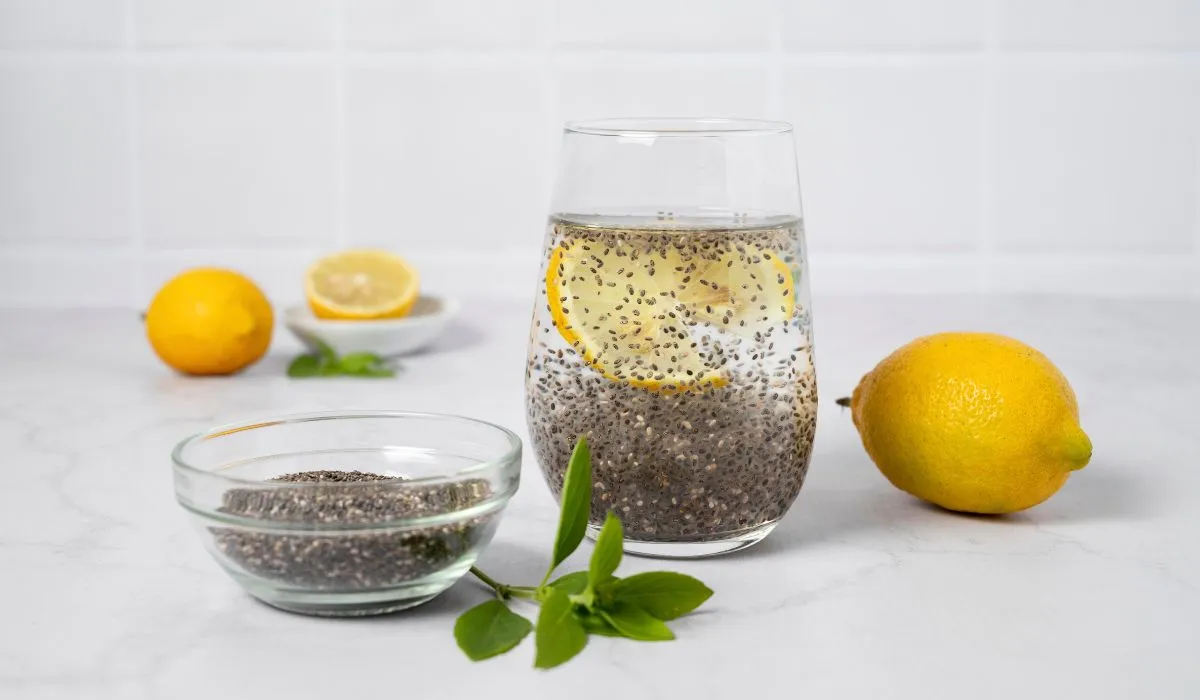
Chia seeds can be stirred into water, lemon water, coconut water, or juice. After a few minutes, they form a refreshing gel-like drink.
This practice is inspired by the traditional Mexican beverage “chia fresca.”
Sprinkle Over Salads and Savory Dishes
Chia seeds don’t always have to be used in sweet recipes. They can be sprinkled on:
- Salads
- Grain bowls
- Roasted vegetables
- Soups
- Stir-fries
Their neutral flavor allows them to fit into almost any dish.
Make Chia Jam
Chia seeds naturally thicken liquids, making them ideal for simple homemade fruit jam. Instead of using processed sugars and pectin, you can blend fresh fruit and chia seeds for a healthier spread.
Basic chia jam recipe:
- 1–2 cups mashed fruit
- 1–2 tablespoons chia seeds
- A touch of honey or maple syrup
Let it sit 10–15 minutes and it thickens into a spreadable consistency.
How Much Chia Should You Eat Daily?
Most people do well with 1–2 tablespoons (about 15–30 grams) of chia seeds per day. It’s enough to enjoy the health benefits without overdoing the fiber. Always pair chia seeds with adequate liquid, since they absorb many times their weight in water.
Are There Any Side Effects?
Chia seeds are safe for most people, but a few precautions are helpful:
Digestive Sensitivity
Because chia is high in fiber, suddenly consuming large amounts may cause bloating or digestive discomfort. Introduce them gradually.
Hydration
Always drink plenty of water when eating chia seeds. Dry chia can cause discomfort if consumed in large quantities without liquid.
Allergies
Chia seed allergies are extremely rare, but possible. Anyone with known seed allergies should be cautious.
Why Chia Seeds Deserve a Place in Your Daily Diet
Chia seeds are more than a trend—they are a simple food with extraordinary nutritional value. They offer:
- High fiber to support digestion
- Plant-based omega-3s for heart and brain health
- Protein for energy and muscle function
- Antioxidants that promote cellular health
- A range of essential minerals
And perhaps best of all, they are incredibly easy to use. From smoothies to puddings, baked goods to beverages, chia seeds can seamlessly blend into almost any diet.
If you’re aiming to eat healthier without adding complexity to your routine, chia seeds are one of the simplest solutions. A single spoonful a day can make a noticeable difference over time.