
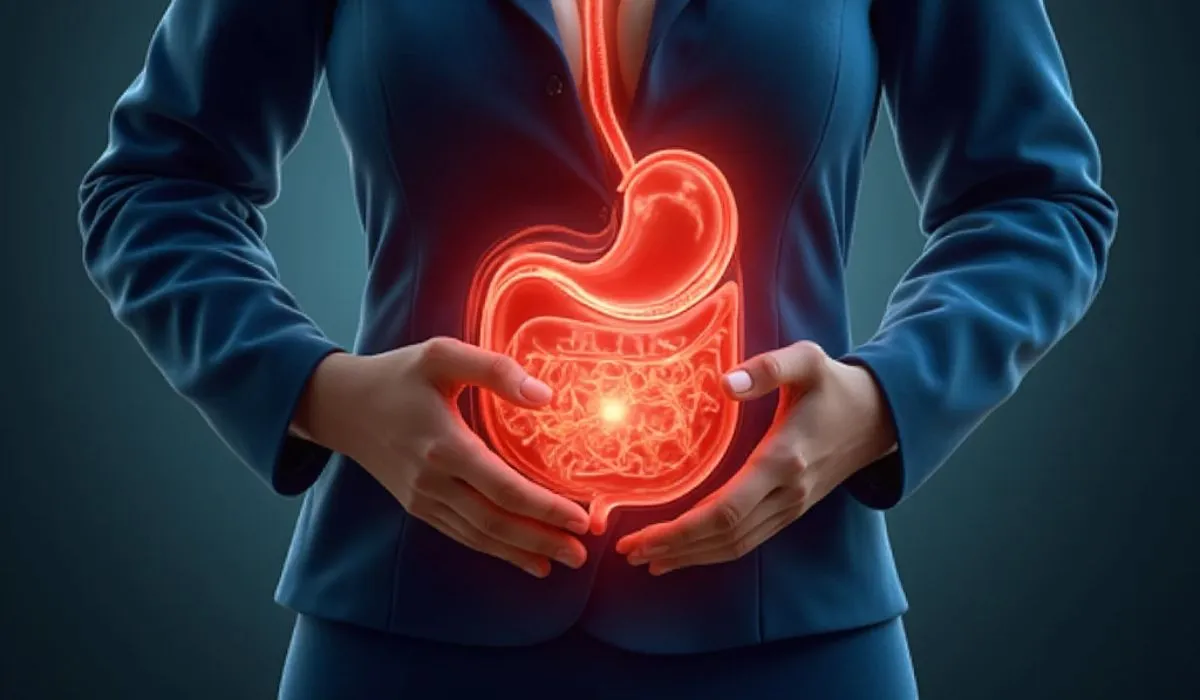
Wellhealthorganic.com Simple Ways to Improve Digestive System in hindi
The digestive system plays a crucial role in overall well-being, yet is often overlooked. Your digestive system doesn’t just break down food; it’s also deeply connected to your immunity, energy levels, mood, and long-term health. When your gut is functioning properly, your body can absorb nutrients efficiently, support a balanced microbiome, and maintain a strong immune defense.
However, millions of people around the world experience some form of digestive discomfort. Gas, bloating, constipation, heartburn, diarrhea, and abdominal pain are common symptoms that can disrupt daily life. In some cases, these symptoms are linked to underlying conditions such as Irritable bowel syndrome (IBS), but often they are the result of lifestyle habits, dietary choices, or stress.
The good news is that there are many simple, natural, and sustainable ways to improve your digestive system. From what you eat to how you live, even small changes can make a big difference. This guide explores practical steps, supported by research and expert recommendations, to help your gut work at its best.
Prioritize Whole, Unprocessed Foods
The foundation of a healthy digestive system begins with what’s on your plate. Whole, unprocessed foods — such as vegetables, fruits, whole grains, nuts, seeds, and lean proteins — support your gut in multiple ways.
Whole foods contain dietary fiber, essential vitamins, minerals, and beneficial plant compounds that nourish the gut microbiome — the trillions of microorganisms that live in your digestive tract. These microbes play a vital role in breaking down food, absorbing nutrients, and protecting against harmful pathogens.
By contrast, processed foods often contain refined sugars, artificial additives, and low-quality fats that can promote inflammation and disrupt the balance of gut bacteria. Diets high in processed foods are associated with an increased risk of bloating, irregular bowel movements, and inflammatory digestive conditions.
Practical Tips:
- Choose whole grains like oats, quinoa, and brown rice instead of white bread and pasta.
- Include a variety of vegetables and fruits daily to feed your gut microbiota.
- Limit processed snacks, sugary drinks, and fast foods.
Eat Plenty of Fiber
Fiber is one of the most powerful nutrients for supporting digestive health. It comes in two main forms — soluble and insoluble — and both play distinct but complementary roles in maintaining a healthy gut.
- Soluble fiber, found in foods like oats, beans, bananas, and apples, absorbs water and forms a gel-like substance. It slows digestion slightly, allowing for better nutrient absorption and promoting softer stools.
- Insoluble fiber, found in whole grains, leafy greens, and vegetables, adds bulk to your stool and speeds up the passage of food through your digestive tract, preventing constipation.
When gut bacteria ferment fiber, they produce short-chain fatty acids — beneficial compounds that help maintain the integrity of your intestinal lining, reduce inflammation, and support the immune system.
Practical Tips:
- Aim for at least 25–30 grams of fiber daily.
- Incorporate leafy greens like spinach and kale, which also provide folate, vitamins C and K, and plant sugars that support good bacteria.
- Add legumes, nuts, and seeds to your meals for extra fiber and nutrients.
Add Healthy Fats to Your Diet
Contrary to old dietary myths, fat is not the enemy of digestion. In fact, healthy fats are crucial for proper nutrient absorption and digestive function.
Fats help the body absorb fat-soluble vitamins — A, D, E, and K — which are important for maintaining the gut lining and immune response. Healthy fats also stimulate bile production, which aids in the breakdown and digestion of fats in the small intestine.
Foods like avocados, salmon, nuts, and olive oil are excellent sources of these beneficial fats. They are far superior to fried foods or processed fats, which can trigger intestinal discomfort and promote inflammation.
Practical Tips:
- Include a small portion of avocado or nuts in your meals.
- Cook with olive oil instead of butter or margarine.
- Limit fried and fatty processed foods, which can irritate the gut.
Stay Hydrated
Water is essential for nearly every bodily function — and digestion is no exception. It helps dissolve food, transport nutrients, activate digestive enzymes, and keep your stool soft, making bowel movements easier.
Dehydration can lead to sluggish digestion, constipation, bloating, and discomfort. When your digestive system is well hydrated, it can function smoothly, efficiently transporting food through the gastrointestinal tract.
Practical Tips:
- Aim to drink at least 6–8 glasses of water daily, adjusting based on your activity level and climate.
- Include water-rich foods like cucumber, watermelon, and citrus fruits in your diet.
- Reduce excessive caffeine or alcohol, which can dehydrate the body.
Practice Mindful Eating
Digestion begins long before food reaches your stomach — it starts in your mouth and even in your brain. Mindful eating is about paying attention to your food: its flavors, textures, smells, and how it makes you feel.
When you eat mindfully, you’re less likely to overeat, and your body can switch into a “rest and digest” state, optimizing digestive processes. This practice can reduce stress-related digestive symptoms, such as bloating or cramping, and improve nutrient absorption.
Practical Tips:
- Eat slowly and without distractions like TV or your phone.
- Savor each bite, chew thoroughly, and notice your body’s fullness cues.
- Take smaller bites and allow yourself to fully enjoy your meals.
Chew Thoroughly
Chewing is a simple but often underestimated step in healthy digestion. Breaking down food in your mouth makes it easier for your stomach and intestines to process and absorb nutrients.
Proper chewing also mixes food with saliva, which contains enzymes that begin the digestion of carbohydrates. This early stage of digestion can help reduce bloating, gas, and discomfort after meals.
Practical Tips:
- Chew each bite 20–30 times before swallowing.
- Put your utensils down between bites to slow your eating pace.
- Avoid rushing meals, even when you’re busy.
Manage Stress Effectively
The gut and brain are closely linked through the gut-brain axis, a two-way communication network that influences digestion, mood, and immune response. When you’re stressed, your body shifts into “fight or flight” mode, slowing digestion, reducing blood flow to the intestines, and increasing the likelihood of discomfort.
Chronic stress has been linked to various digestive issues, including bloating, diarrhea, constipation, and increased intestinal permeability. Managing stress effectively is therefore essential to maintaining gut health.
Practical Tips:
- Practice relaxation techniques such as meditation, yoga, or deep breathing.
- Engage in hobbies and activities that bring you joy and calm.
- Prioritize adequate sleep, as poor sleep increases stress and disrupts gut function.
Exercise Regularly
Physical activity doesn’t just benefit your muscles and heart — it also supports your gut. Regular exercise helps improve gut motility (the movement of food through the digestive tract), enhances blood flow to the intestines, and stimulates the growth of beneficial gut bacteria.
Studies show that moderate exercise can help reduce symptoms of bloating and constipation and support long-term gut health. Activities like walking, cycling, swimming, and yoga are all excellent choices.
Practical Tips:
- Aim for at least 30 minutes of moderate activity most days of the week.
- A short walk after meals can aid digestion.
- Find movement you enjoy to make it sustainable.
Pay Attention to Hunger and Fullness Cues
Listening to your body is one of the most intuitive yet powerful ways to support digestion. Eating when you’re truly hungry and stopping when you’re comfortably full helps your body process food more efficiently.
Overeating can lead to indigestion, bloating, and discomfort. On the other hand, ignoring hunger can slow down your metabolism and disrupt digestive rhythms.
Practical Tips:
- Eat meals at consistent times, but only when you feel true hunger.
- Avoid eating out of boredom or stress.
- Stop eating when you’re around 80% full.
Make Healthy Lifestyle Choices
Certain habits can harm your digestive system over time. Smoking, for example, affects the gut microbiome, slows digestion, and increases the risk of gastrointestinal diseases. Alcohol irritates the stomach lining and can lead to acid reflux, inflammation, or diarrhea. Eating late at night can interfere with your body’s natural rhythms, leading to indigestion or poor sleep.
Practical Tips:
- If you smoke, seek support to quit.
- Limit alcohol consumption to moderate levels or avoid it entirely.
- Try to finish your last meal at least 2–3 hours before bedtime to give your body time to digest.
Support Your Gut with Key Nutrients
Certain nutrients and supplements can provide targeted support to the digestive system:
- Probiotics: These beneficial bacteria help restore and maintain a healthy gut microbiome, supporting digestion and immune function. They are found in yogurt, kefir, sauerkraut, kimchi, and probiotic supplements.
- Prebiotics: Non-digestible fibers found in foods like bananas, onions, garlic, and asparagus feed beneficial gut bacteria, helping them thrive.
- Glutamine: This amino acid supports the integrity of the gut lining and helps repair intestinal cells.
- Zinc: A mineral that promotes healing, reduces inflammation, and supports microbiome balance.
Practical Tips:
- Add fermented foods like yogurt, miso, or kimchi to your diet.
- Eat prebiotic-rich foods regularly to nourish your gut bacteria.
- Consider supplements if recommended by a healthcare professional.
Choose Gut-Friendly Fruits
Not all fruits are equally easy on your digestive system. High-fructose fruits like apples, mangoes, and pears can cause bloating and gas for some people. Low-fructose fruits, such as bananas, citrus fruits, and berries, tend to be gentler on the gut and provide plenty of fiber and antioxidants.
Bananas, in particular, contain inulin, a type of fiber that stimulates the growth of beneficial bacteria in the colon.
Practical Tips:
- Eat a variety of fruits, focusing on lower-fructose options if you’re prone to bloating.
- Pair fruits with protein or healthy fats to support balanced digestion.
- Watch portion sizes to avoid overloading your system.
Focus on Leafy Greens and Plant-Based Foods
Leafy greens like spinach, kale, and Swiss chard are packed with fiber, vitamins, and plant sugars that feed beneficial bacteria. They also help create a diverse microbiome, which is linked to better digestion, stronger immunity, and even improved mood.
A plant-rich diet provides essential nutrients without burdening the digestive system with heavy fats or processed ingredients.
Practical Tips:
- Include at least one serving of leafy greens in your daily meals.
- Add greens to smoothies, salads, soups, or sautés.
- Rotate different types of greens to maximize nutrient intake.
Lean Proteins for a Lighter Gut
While protein is essential for health, not all sources are equally friendly to the digestive system. High-fat meats can trigger colon contractions and promote the growth of bacteria linked to inflammation and heart problems. Lean proteins like fish, chicken, turkey, eggs, and legumes are easier to digest and less likely to cause discomfort.
Practical Tips:
- Choose lean cuts of meat and avoid frying.
- Include plant-based proteins such as lentils, beans, and tofu.
- Limit red and processed meats for better gut and heart health.
Build a Consistent Routine
Your digestive system thrives on consistency. Eating at regular times, getting enough sleep, and maintaining a balanced daily routine help regulate gut function. Irregular habits — skipping meals, eating at odd hours, or constant snacking — can disrupt digestion and contribute to symptoms like bloating and indigestion.
Practical Tips:
- Establish regular meal times.
- Get 7–8 hours of quality sleep each night.
- Create a calm environment during meals to support relaxation and digestion.
Conclusion
Improving your digestive health doesn’t have to be complicated or involve drastic changes. Often, the small, consistent habits you build each day make the biggest difference.
When you prioritize whole foods, increase fiber, stay hydrated, manage stress, exercise regularly, and avoid harmful habits, you can support your digestion naturally. Pair these lifestyle strategies with mindful eating and gut-supporting nutrients, and you’ll not only improve your digestion but also enhance your energy, mood, and overall health.
Your gut is your body’s second brain — treat it well, and it will support you in return. Remember, if you experience persistent or severe digestive symptoms, it’s important to speak with a healthcare professional to rule out underlying conditions and get personalized advice.